
Understanding Clawdbot: The Infostealer That Targets the AI Era
Understanding Clawdbot: The Infostealer That Targets the AI Era
In the rapidly advancing world of artificial intelligence, a new threat has emerged that specifically preys on AI systems: Clawdbot. This sophisticated infostealer has taken the cybersecurity world by storm, leaving IT professionals and cybersecurity experts scrambling to understand its intricacies and devise defense strategies. Clawdbot is not your run-of-the-mill malware; it's a cunning adversary that adapts to AI technologies, threatening the very fabric of data integrity and security. As AI continues to embed itself deeper into our lives, understanding Clawdbot becomes crucial for protecting sensitive information and maintaining the confidentiality of AI-driven environments.
What makes Clawdbot such a formidable adversary in the AI era, and how can you protect your systems from its grasp?
Key Takeaways
Clawdbot is a new breed of infostealer targeting AI-driven environments, posing significant risks to data security
Architecture of Clawdbot includes modules that specifically exploit AI systems while bypassing traditional security measures
Primary targets of Clawdbot include enterprises, small businesses, individuals, and educational institutions using AI technologies
Attack surface of Clawdbot spreads through phishing, compromised updates, unsecured networks, and social engineering
Protection against Clawdbot involves regular updates, antivirus solutions, employee awareness, and robust network security
What is Clawdbot and Why It Matters in the AI Era
Clawdbot represents a new and formidable breed of infostealer designed to exploit AI-driven environments. As AI technologies become more integrated into our daily operations, the threat landscape evolves, and Clawdbot stands out as a major malware in this new era. IT professionals recognize Clawdbot as a significant threat to data integrity and security, as it has the capability to infiltrate systems that rely heavily on AI agents and personal AI tools.
Cybersecurity experts have identified Clawdbot as a sophisticated tool that adapts to AI technologies. Unlike traditional malware, Clawdbot leverages AI's cognitive context to perform theft and control. This means it can seamlessly integrate itself into AI systems, making it difficult to detect and remove. Organizations must understand Clawdbot's capabilities to effectively defend against it, as its presence aligns with the rapid evolution of AI applications.
Awareness of Clawdbot is crucial for anyone involved in the AI landscape. As AI continues to advance, so too do the methods used by cybercriminals to exploit it. Clawdbot's adaptability makes it a prime example of how infostealers are evolving to keep pace with technological advancements. To safeguard sensitive data and maintain the integrity of AI systems, understanding and mitigating the risks associated with Clawdbot is paramount.
Dissecting Clawdbot: Architecture and Functionality
The architecture of Clawdbot is a marvel of malicious engineering, specifically designed to target AI systems. At its core, Clawdbot includes modules that exploit vulnerabilities unique to AI technologies. Researchers have noted its ability to bypass traditional security measures, making it a formidable adversary in any cybersecurity strategy.
Clawdbot's architecture allows it to collect sensitive information with high precision and efficiency. By infiltrating AI systems, it can access data that is often overlooked by conventional security tools. This makes Clawdbot particularly dangerous, as it can extract valuable information without raising immediate alarms. Moreover, Clawdbot utilizes advanced obfuscation techniques to remain undetected, further complicating efforts to secure AI systems.
Security teams worldwide study Clawdbot's code to develop more robust countermeasures. By understanding its architecture and functionality, they aim to create tools and protocols that can detect and neutralize Clawdbot before it causes significant damage. This ongoing analysis is crucial for staying ahead of Clawdbot and similar malware threats that exploit AI-driven environments.
Identifying the Primary Target: Who is at Risk?

In the AI era, Clawdbot poses a significant risk to a wide range of targets. Enterprises that rely heavily on AI technologies face heightened risks from Clawdbot. As businesses integrate AI into their operations, they inadvertently expand their attack surface, making themselves attractive targets for cybercriminals wielding Clawdbot.
Small businesses are not immune to the threat posed by sophisticated malware like Clawdbot. Often lacking the resources to implement comprehensive cybersecurity measures, these businesses can become easy prey for Clawdbot attacks. IT experts emphasize the importance of identifying vulnerable sectors to mitigate Clawdbot's impact, particularly in smaller organizations with limited cybersecurity budgets.
Individuals using AI-powered tools are also potential targets for Clawdbot attacks. As personal AI assistants become more common, the data they handle becomes a lucrative target for infostealers. Educational institutions implementing AI technologies need to be aware of Clawdbot's threat as well. With access to sensitive student and research data, these institutions must prioritize cybersecurity to prevent breaches.
Exploring the Attack Surface: How Clawdbot Spreads
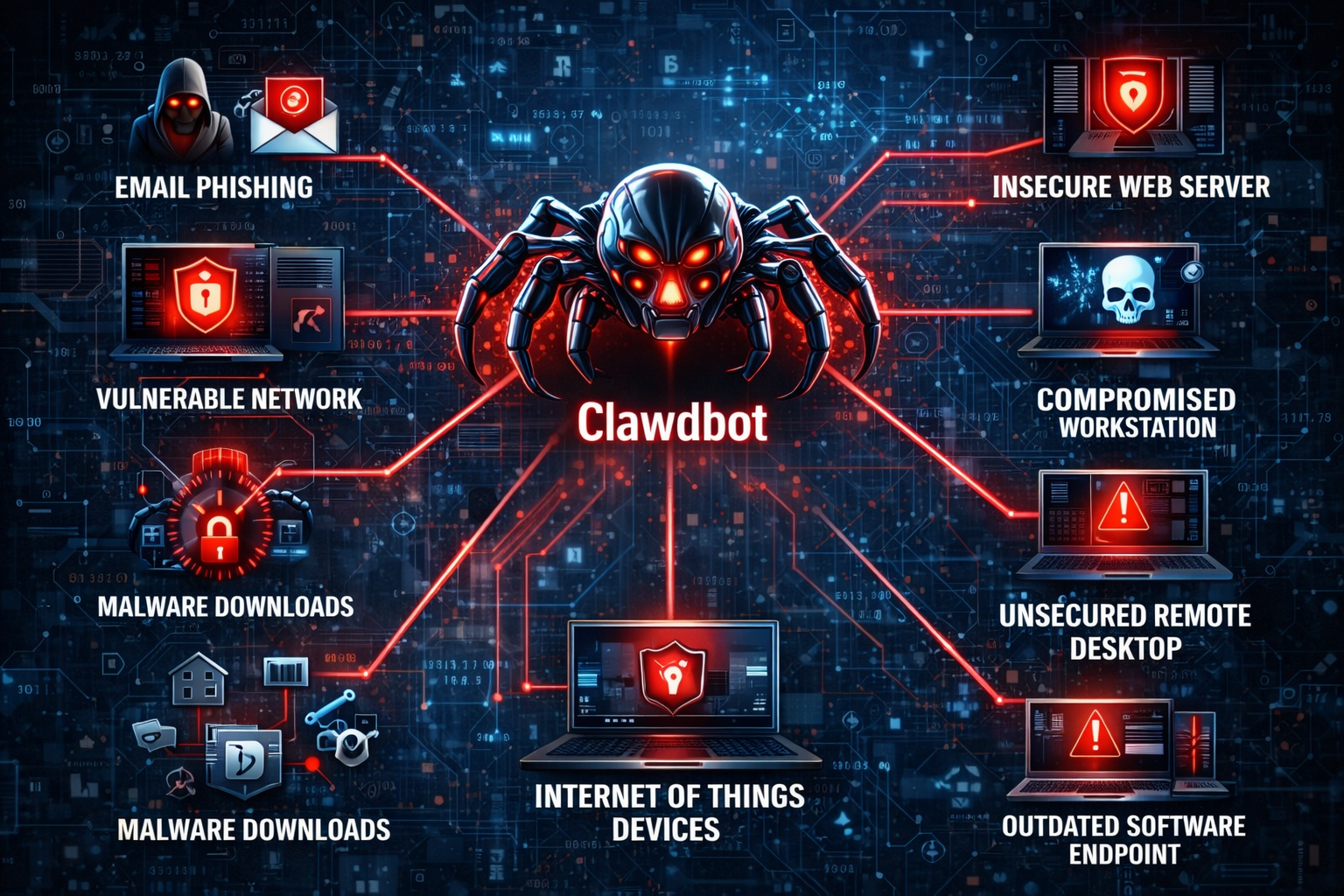
Clawdbot spreads through various attack vectors, exploiting vulnerabilities in both technology and human behavior. Phishing campaigns often serve as the initial vector for Clawdbot infections. By tricking users into revealing sensitive information or downloading malicious files, cybercriminals can introduce Clawdbot into a system with relative ease.
Compromised software updates provide another avenue for Clawdbot's distribution. By infiltrating legitimate software updates, Clawdbot can spread across networks, reaching a broad range of systems and devices. Cybersecurity teams have traced Clawdbot's spread through unsecured networks, highlighting the importance of robust network security in preventing infections.
USB drives and other removable media can also be utilized to propagate Clawdbot. These devices, often used to transfer data between systems, can unknowingly carry the malware, spreading it to new environments. Social engineering tactics further increase Clawdbot's success in infiltrating systems by exploiting human psychology to bypass security measures.
Comparing Clawdbot with Other Infostealers like Moltbot
When comparing Clawdbot to older infostealers like Moltbot, several key differences and similarities emerge. Clawdbot exhibits greater adaptability, particularly in its focus on AI systems. While both Clawdbot and Moltbot target personal and corporate data, Clawdbot's use of machine learning models sets it apart from conventional threats.
Analysts observe Clawdbot's focus on AI systems as a key differentiator. This focus allows Clawdbot to exploit vulnerabilities specific to AI technologies, making it a more formidable adversary than Moltbot in AI-driven environments. While Moltbot may still pose a threat, Clawdbot's advanced techniques require distinct strategies to counter.
Security experts emphasize the need for tailored strategies to combat each malware. Clawdbot's unique characteristics necessitate specialized defenses that take into account its adaptability and focus on AI systems. By understanding the differences between Clawdbot and other infostealers, organizations can develop more effective cybersecurity measures.
The Impact on Security: What Clawdbot Means for Businesses
Clawdbot's presence has significant implications for businesses, particularly in terms of security. The potential for Clawdbot breaches increases operational risks, as businesses must contend with the possibility of data loss and cyber breaches. This can result in financial and reputational damage, as well as legal consequences if sensitive information is compromised.
IT departments must allocate resources to combat the ongoing threat of Clawdbot. This includes investing in advanced security tools, conducting regular system audits, and staying informed about the latest developments in malware threats. Clawdbot's presence necessitates a reevaluation of existing security protocols to ensure they are equipped to handle this sophisticated infostealer.
Companies must also invest in employee training to recognize Clawdbot-related threats. By educating staff about the risks associated with Clawdbot and other malware, organizations can reduce the likelihood of successful attacks. This proactive approach is essential for maintaining security and protecting valuable data.
Protecting Your Systems: Best Practices Against Clawdbot
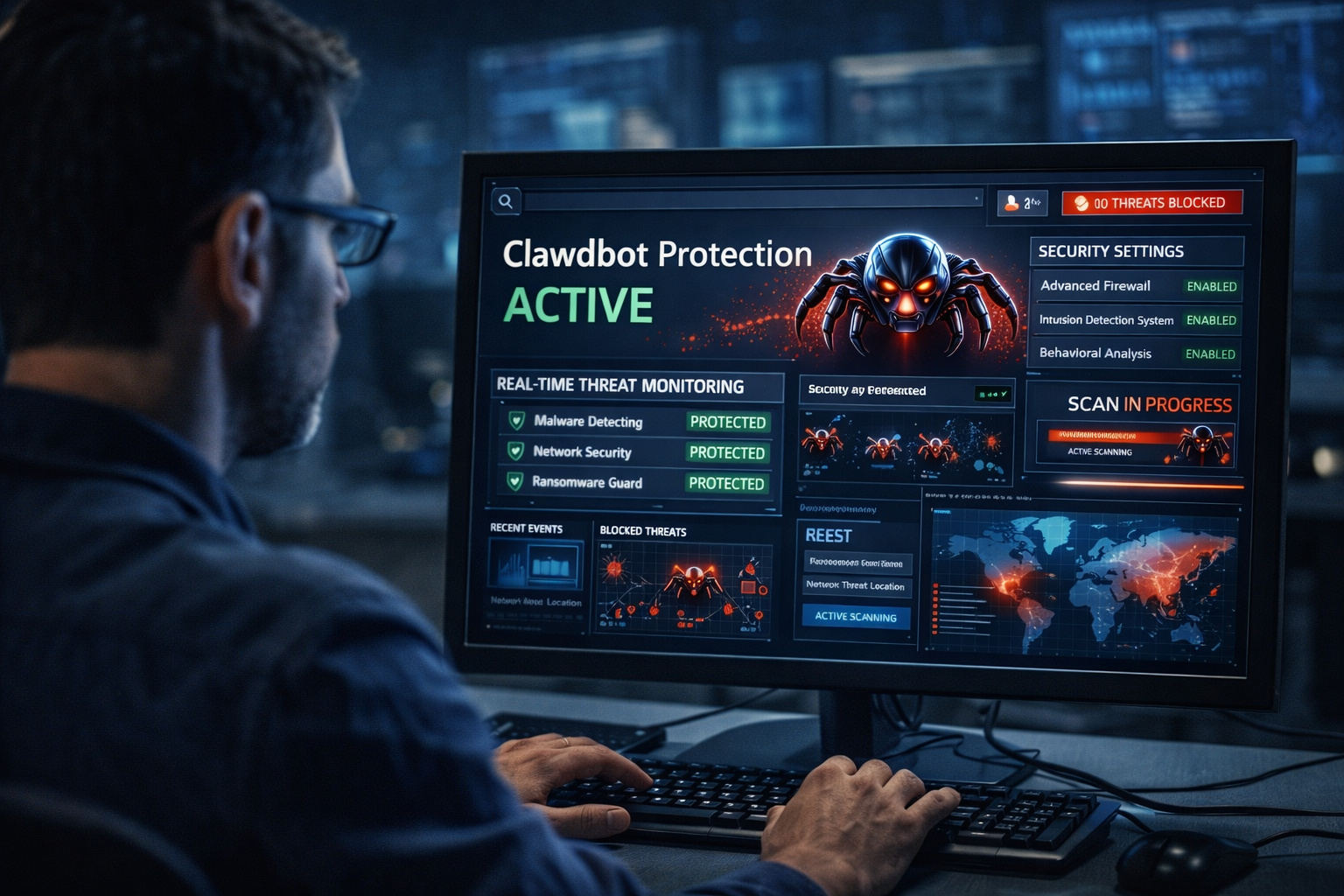
To protect your systems from Clawdbot, implementing best practices is essential. Regular system updates help mitigate vulnerabilities that Clawdbot exploits. By keeping software and operating systems up to date, you can close security gaps that Clawdbot could otherwise exploit.
Comprehensive antivirus solutions provide a first line of defense against Clawdbot. These tools can detect and neutralize malware before it infiltrates your system, reducing the risk of infection. Employee awareness programs are also essential in preventing Clawdbot attacks, as informed staff are less likely to fall victim to phishing and social engineering tactics.
Implementing robust network security measures further reduces Clawdbot intrusion risks. By securing your network with firewalls, encryption, and access controls, you can create a formidable barrier against Clawdbot and other malware. Data encryption is particularly important, as it ensures that any stolen information remains unusable to Clawdbot.
Detection and Removal: Steps to Eradicate Clawdbot
Detecting and removing Clawdbot requires a proactive approach. IT professionals deploy specialized tools to detect Clawdbot presence in systems. These tools are designed to identify and neutralize Clawdbot instances before they can cause significant damage.
Conducting thorough system scans is vital to uncover hidden Clawdbot instances. By regularly scanning your systems, you can identify and isolate infected areas, preventing the malware from spreading further. Incident response teams follow specific protocols to remove Clawdbot effectively, ensuring that all traces of the malware are eradicated.
Restoring systems from clean backups ensures recovery from Clawdbot infections. By maintaining regular backups, you can quickly restore your systems to a pre-infection state, minimizing downtime and data loss. Continuous monitoring post-removal helps prevent Clawdbot re-infection, keeping your systems secure over the long term.
The Future of Infostealers: Preparing for Evolving Threats

The future of infostealers like Clawdbot promises to be a challenging landscape. Experts predict an increase in AI-targeting malware, as cybercriminals continue to exploit the growing reliance on AI technologies. Proactive research and development are crucial to staying ahead of these evolving threats.
Collaboration among cybersecurity communities enhances defenses against evolving malware. By sharing information and resources, experts can develop more effective strategies to combat new threats. Anticipating new attack vectors informs the creation of adaptive security measures, ensuring that organizations are prepared for future infostealer threats.
Awareness campaigns play a key role in preparing for future threats. By educating the public and raising awareness about the risks associated with AI-targeting malware, cybersecurity professionals can foster a culture of vigilance and preparedness. This proactive approach is essential for safeguarding sensitive data and maintaining security in the AI era.
In summary, understanding and defending against Clawdbot is vital for anyone involved in AI technologies. By recognizing the threat it poses and implementing proactive security measures, you can protect your systems from this formidable infostealer. As the landscape of cybersecurity continues to evolve, staying informed and prepared will be key to maintaining the integrity and security of AI-driven environments.
As we move further into the AI era, how do you plan to secure your systems against the ever-evolving threats like Clawdbot?
Frequently Asked Questions
Is Clawdbot safe?
Clawdbot is not safe. It's a malicious software designed to steal information, especially targeting systems integrated with AI technologies. By masquerading as legitimate software, it infiltrates devices, collects sensitive data, and forwards it to cybercriminals. If you suspect Clawdbot on your device, immediate action is required to secure your information and remove the threat. Regularly updating your security software and being cautious about downloads can help protect against such malware.
What is Clawdbot used for?
Clawdbot is a type of infostealer malware used by cybercriminals to extract sensitive data from infected systems. It primarily targets AI-driven platforms to access valuable information such as passwords, personal data, and financial details. By exploiting vulnerabilities in AI technologies, Clawdbot aims to compromise data integrity and privacy. It serves as a tool for hackers to gather intelligence, engage in identity theft, or sell stolen information in underground markets.
How do I remove botnet malware?
Removing botnet malware like Clawdbot requires a few steps. First, disconnect from the internet to prevent further data leaks. Next, use up-to-date antivirus or anti-malware software to scan and remove malicious files. It's crucial to update your operating system and all security patches. For thorough cleanup, consider professional cybersecurity help. Finally, change passwords and monitor accounts for unusual activity. Regular backups and security practices can prevent future infections.
What can I do with Clawdbot?
Engaging with Clawdbot is illegal and unethical. It's crucial to focus on prevention and protection instead. If you're a cybersecurity enthusiast or professional, consider studying Clawdbot as a case study to better understand how infostealers operate and improve defenses against them. Always prioritize ethical practices and contribute to the development of security measures that protect individuals and organizations from such threats.
